

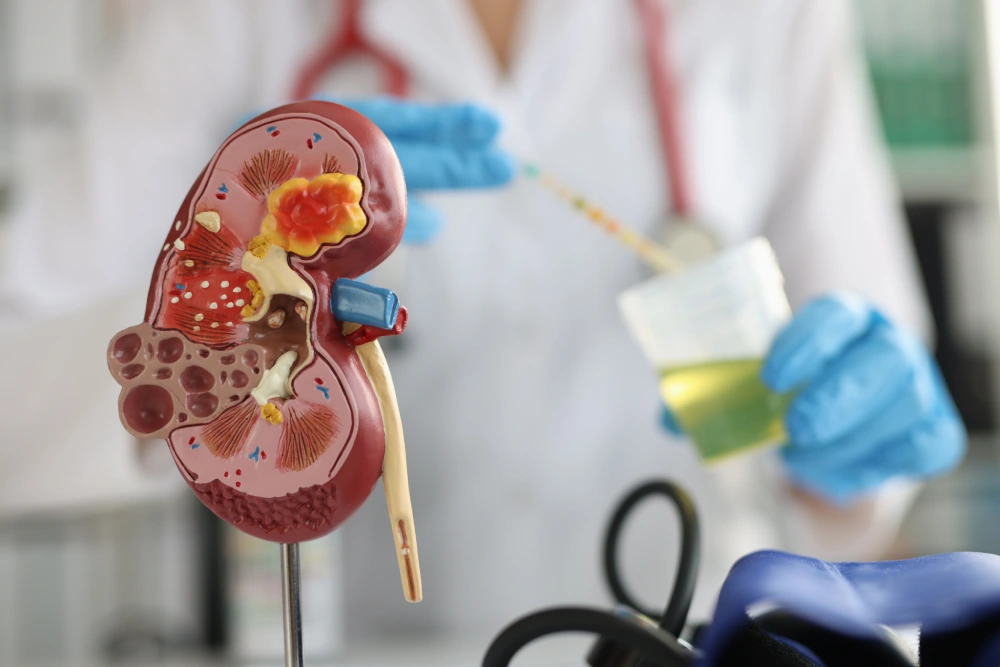

Blood in the urine can be concerning, and a haematuria evaluation is an important step in identifying its underlying cause. Most haematuria evaluation procedures are minimally invasive and involve a short recovery, but it is still helpful to understand what to expect afterwards.
Knowing which symptoms are considered normal, how to care for yourself at home during recovery and when to seek further medical advice can help you recover with greater confidence. It also prepares you for the follow-up discussion once your results are available.
What Symptoms Are Normal After a Haematuria Evaluation Procedure?
The recovery experience after a haematuria evaluation depends on the type of investigation performed. Knowing what is typically expected after your procedure also makes it easier to recognise symptoms that may require medical review.
Mild Burning or Discomfort During Urination
It is common to experience a mild burning or stinging sensation when passing urine after a cystoscopy. This is usually caused by temporary irritation of the urethra as the cystoscope is passed through the urinary tract. The discomfort is usually mild and gradually improves over the next 24 to 48 hours.
Small Amounts of Blood in the Urine
You may notice light pink or slightly blood-tinged urine for a short period after the procedure. This is generally expected, particularly following cystoscopy or if a small tissue biopsy was taken. Unless you have been advised to restrict fluids, drink enough water to keep your urine pale yellow. This may help reduce irritation and allow the bleeding to settle more quickly.
Increased Urinary Frequency or Urgency
Some patients feel the need to urinate more often or experience a stronger sense of urgency during the first day or two after the procedure. These symptoms are usually temporary and improve as the bladder and urethra recover from minor irritation.
Mild Lower Abdominal or Pelvic Discomfort
A mild aching sensation or feeling of pressure in the lower abdomen or pelvic area may occur after certain haematuria evaluation procedures. This discomfort is generally short-lived and can often be managed with rest and any pain relief recommended by your urologist.
Temporary Discomfort After Imaging Procedures
Most imaging investigations used to evaluate haematuria, such as ultrasound or CT scans, do not cause lasting discomfort. If intravenous contrast is used during a CT scan, you may briefly experience a warm sensation or metallic taste during the injection. These sensations usually resolve within a few minutes and do not require any specific treatment.
How Should You Care for Yourself During Recovery?
Most people recover quickly after a haematuria evaluation, with little disruption to their daily routine. Your recovery instructions will depend on the type of procedure performed and whether any additional interventions, such as a biopsy, were carried out.
Stay Well Hydrated
Drinking plenty of water helps flush the urinary tract and may reduce irritation after procedures such as cystoscopy. It can also help dilute the urine, which may reduce discomfort when passing urine and help any minor bleeding settle more quickly.
Take Medications as Directed
If your urologist prescribes pain relief or antibiotics, take them exactly as instructed. Avoid starting or stopping any medications, including blood-thinning medicines, unless your doctor has specifically advised you to do so.
Resume Activities Gradually
Most patients can return to normal daily activities within a day after a simple haematuria evaluation. If a biopsy was performed, your urologist may advise avoiding strenuous exercise, heavy lifting or vigorous physical activity for a short period. Follow the recovery advice provided by your healthcare team.
Monitor Your Symptoms
Pay attention to how your symptoms change over the first few days. Mild symptoms should gradually improve rather than become more severe. If your discomfort worsens, bleeding becomes heavier or you develop new symptoms, contact your urologist for further advice.
Attend Your Follow-Up Appointment
A follow-up appointment allows your urologist to review your test results, discuss any findings and explain whether further investigations or treatment are needed. Even if you feel well, attending this appointment is important to ensure the cause of the haematuria has been fully evaluated.
What Happens After Your Haematuria Evaluation Results Are Available?
Once your haematuria evaluation is complete, your urologist will review all of the findings to determine whether a cause for the blood in your urine has been identified. The next steps will depend on the results of your urine tests, imaging studies, cystoscopy and any biopsies that were performed.
If No Significant Abnormalities Are Found
In some cases, the evaluation does not identify a concerning cause for the haematuria. If no concerning cause is identified and your overall risk is low, no immediate treatment may be required. Your urologist may recommend periodic monitoring or repeat urine testing to ensure that no new changes develop over time.
If an Underlying Condition Is Identified
Haematuria can result from a range of conditions, including urinary tract infections, kidney stones, enlarged prostate, kidney disease or tumours affecting the urinary tract. If an underlying condition is identified, your urologist will explain the diagnosis and discuss the most appropriate treatment plan.
If Additional Tests Are Needed
Occasionally, further investigations may be recommended if the initial evaluation does not provide a clear diagnosis. This may include repeat urine tests, more detailed imaging, urine cytology or other specialised investigations. Your urologist will explain why these tests are needed and how they may help clarify the cause of the haematuria.
Discussing Your Long-Term Care Plan
After your haematuria evaluation, your follow-up appointment with your urologist will focus on reviewing the findings and discussing the next steps in your care. This is also an opportunity to ask questions and understand what to expect moving forward. Depending on your diagnosis, your urologist may recommend treatment, ongoing monitoring or regular follow-up visits to assess your urinary health.
Haematuria Evaluation Recovery and Follow-Up Care with Dr Lincoln Tan
Most patients recover quickly after a haematuria evaluation, with only mild, temporary symptoms. If your recovery does not progress as expected or your symptoms worsen, a review by your urologist can help identify any complications and determine whether further treatment is needed.
At Tan Urology, we provide comprehensive assessment and personalised care for patients experiencing blood in the urine, from initial evaluation through diagnosis, treatment and long-term follow-up. Led by Dr Lincoln Tan, our team uses comprehensive diagnostic investigations and evidence-based management to help identify the cause of haematuria and recommend the most appropriate treatment for your individual needs.
If you have questions about your recovery or would like to discuss your haematuria evaluation results, arrange a consultation with Dr Lincoln Tan for further assessment and advice.
Frequently Asked Questions (FAQs) About What to Expect After a Haematuria Evaluation Procedure
Can I drive myself home after a haematuria evaluation procedure?
Will I need another haematuria evaluation in the future?
How soon can I return to work after a haematuria evaluation?

Meet Our Urology Specialist in Singapore

Dr Lincoln Tan
MBBS, MRCS(EDIN), MMED(SURG), FRCS(UROL)(RCPSG), FAMS(UROL)
Dr Lincoln Tan is a Consultant Urologist and accredited robotic surgeon with more than 10 years of experience diagnosing and treating a wide range of urinary tract conditions, including haematuria (blood in the urine). He uses comprehensive assessment and modern diagnostic tools such as ultrasound and cystoscopy to identify the underlying cause of haematuria and develop personalised treatment plans.
Dr Tan completed his Advanced Specialty Training in Urology at the National University Hospital (NUH) and a fellowship in Urologic Oncology and Laparoscopic and Tele-Robotic Urologic Surgery at the Royal Melbourne Hospital. In addition to his clinical practice, he is actively involved in teaching and training future urologists as an Assistant Professor at the Yong Loo Lin School of Medicine.
